On Wildfires
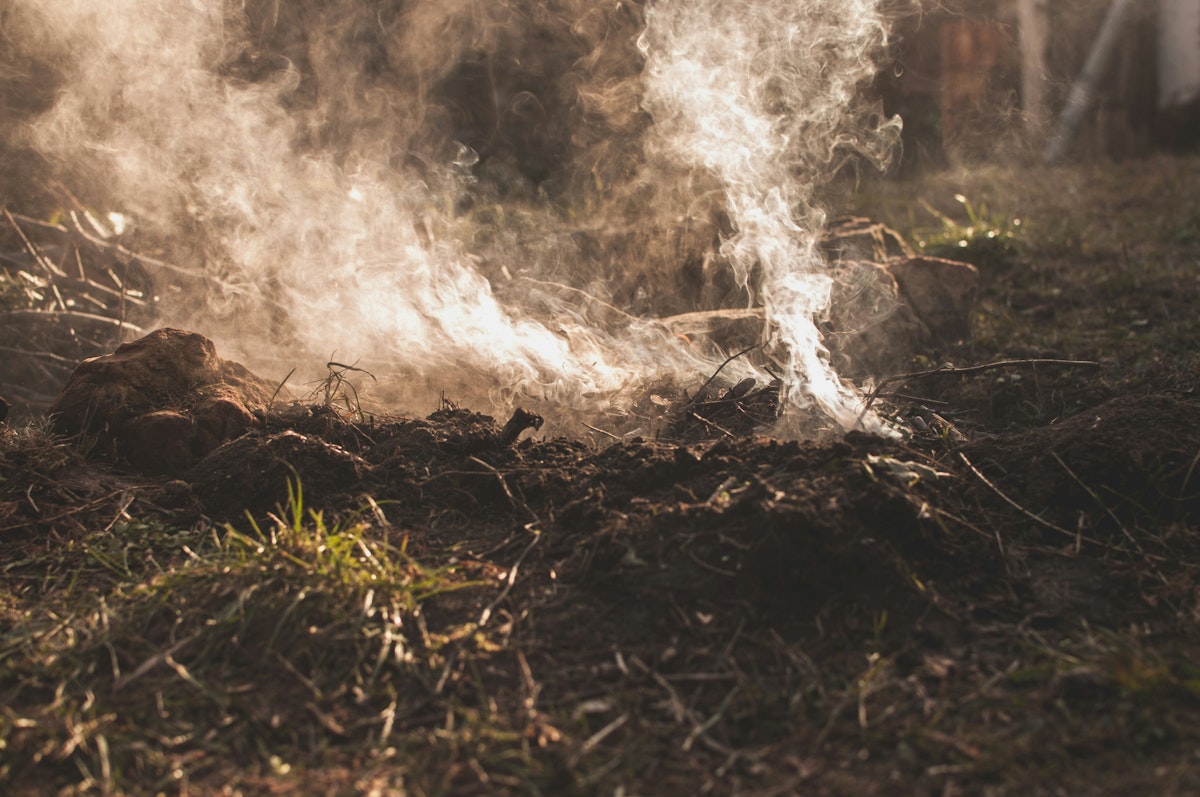
As I wrote the first draft of this post, a thunder storm was rolling through the Southern Interior, and a fire had started on the other side of the hill from where we live. We had rain the next day, the first in fifty days.
Since the beginning of July, the days without wildfire smoke choking the air in T'kemlups have been few and far between. We know many people who were evacuated as fire swept heavy and fast across the landscape of the Interior. We have bins packed in our kitchen, ready in case we need to leave on short notice.
It's been the kind of summer that raises the question, why on earth would you name a counselling practice after a kind of wildfire?
It's a good question.
Is fire itself the problem, though?
In narrative practice, we try to look at what a problem (or effect of a problem) might be resisting, or responding to. We take 'thin' stories, stories that don't acknowledge systemic context, depth, or richness, and 'thicken' them—inviting complexity, acknowledging systemic impact, and weaving in perspectives of honoured others.
So I think of the question, 'what systems or events might invite fires of this magnitude?'
Looking at the history of fire in so-called "BC", cultural perceptions of fire as primarily 'destructive' arrived alongside colonial and capitalist forestry practices. Instead 'wildfire is a problem', 'catastrophic wildfires as an ecological response to rampant consumption without sustainable stewardship' is, perhaps, a thicker story.
I have been thinking about responding to injustice, and how sometimes, responses to injustice take the shape of a fast burn sweeping through grass, candling trees. Sometimes, the more sustained the injustice, the more sustained the blaze. In our work, however, I don't think the aim is to extinguish fire, but to craft sustainable relationships with fire.
I can think of my own blazing responses, my own spot fires, and yet fire remains (both metaphorically and literally) particularly precious to me. I keep my own ground fires tended—if extinguished, I'm not sure who I would be. I'm certain I don't want to find out.
It is part of our practice, to bring the political into the room. However, I find that acknowledging the violent effects of colonial systems on the land can recruit folks into Despair fairly easily. I've noticed ideas like 'humanity is cancerous to the natural world'—drawing a distinct, Victorian line between 'us' and 'nature'—surfacing more often in therapeutic conversations, particularly when the air is thick with smoke. Finding alternate narratives to 'humanity is cancerous' has been especially present in my practice of late.
Unsurprising to those who have read Robin Wall-Kimmerer's Braiding Sweetgrass and The Serviceberry, I believe 'humanity is cancerous' is a thin, colonial story about humanity. When Evren and I were writing We Are Part of the Ecosystem: Therapeutic work within communities of practice, I dove into learning more about ecosystems and Indigenous land stewardship practices across Turtle Island, seeking a thicker story of ways humans have been part of, instead of threats to, ecosystems.
In my reading, I came across the concept of a keystone species, or culturally significant species. A culturally significant species shapes the ecosystem it inhabits in a profound way. Beavers, for example, are a culturally significant species—creating ponds and waterways, shaping wetlands. There is a certain amount of responsibility to shaping an ecosystem through our actions, and colonial systems tend to shirk or erase that responsibility quite handily.
Indigenous practices of land stewardship across Turtle Island, including cultural burning and use of fire, are examples of responsible and relational actions of keystone species: like beavers, humans are able to shape entire ecosystems through our actions. These ideas may not be new to you. They have, however, been fairly useful in my conversations with community members facing Despair.
We named Groundfire after a kind of fire that burns beneath the surface, able to stay alive through the winter if needed. It's tough to stamp out. Even through witnessing unbridled climatic responses to colonial injustice, I remain inspired to be difficult to suppress, and to wield fire with intention, care, and responsibility to my ecosystems (both literally and metaphorically).
Why on earth would you name a counselling practice after a kind of wildfire?
Fire is not our enemy—capitalist and colonial systems are. And, of course, we hope to last through the winter.
As always, we stand in solidarity with all people affected by the current landscape of climate-responsive fires, particularly Indigenous communities and knowledge-keepers who continue to advocate for sustainable relationships with our non-human kin.
With love,
Emily & The Groundfire Team